Step-by-step guide
Remodeling in winter: what works, what to wait on, and how to prep
Winter can be a good time for an indoor remodel: you are home to make decisions, and some contractors have more room in their schedules once outdoor work slows. It also brings cold, wet weather, short days, holiday closures and a house you cannot easily air out. Here is how to pick the right project and set it up well.
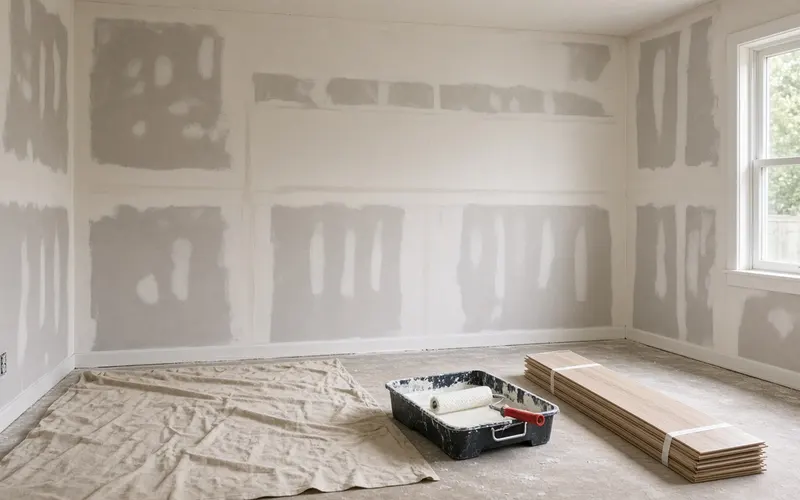
Projects that usually fit winter
Work that happens entirely inside a heated house is the natural fit:
- Kitchen and bathroom remodels where the exterior walls and roof are not opened up
- Interior painting, trim and doors
- Flooring, as long as the house stays at the temperature and humidity the flooring maker requires
- Basement finishing, once any water problems are solved
- Electrical and plumbing upgrades inside the house, by licensed pros
See drywall, paint and flooring and bathroom remodel steps for the order of work.
Work that is often better to wait on
Anything that opens the house to the weather, or depends on materials curing outdoors, is harder in cold and wet months: roofing, siding, exterior painting, decks, concrete and many window or door replacements. Paints, sealants, adhesives and concrete list minimum temperatures and drying conditions on the label or data sheet. If the forecast cannot meet them, the job should wait, or the contractor should explain in writing how they will protect and heat the work. See deck basics if you are planning a spring deck.
Prep the house before work starts
Seal off the work zone
Ask how dust will be contained: plastic barriers, zipper doors, covered floors on the path in and out, and a plan for your heating system, since forced-air systems can carry dust through the house. Ask whether vents in the work area should be covered and when the filter should be changed.
Plan for heat and fresh air
Doors open for deliveries let heat out, and finishes like paint, adhesives and floor coatings need ventilation that is harder when windows stay shut. Follow the product labels, and ask your contractor how they will ventilate.
Protect floors from mud, rain and snow
Agree on an entry door, a boot area and floor protection along the whole route. It is cheaper than refinishing a hallway.
Keep materials dry and warm
Flooring, drywall, cabinets and paint can be damaged by cold or damp storage. Ask where materials will be kept, and whether flooring needs time inside the house to acclimate before install.
Plan utility shutoffs
If the water, power or furnace must be off, agree on when, for how long, and what happens if a cold snap hits. Heating system work is for licensed pros.
Old house? Ask about lead paint
The EPA says anyone paid to do work that disturbs paint in homes built before 1978 must be certified in lead-safe work practices, and it recommends homeowners hire a lead-safe certified contractor. See the EPA renovation, repair and painting program.
Schedule around the season
- Holidays. Crews, suppliers and building departments may close or slow down over the holidays. Ask your contractor which days they will not work and when your building department's offices are closed, and plan inspections around those dates.
- Lead times. Special-order cabinets, tile, windows and some appliances can take weeks. Order early and do not start demolition until critical items are delivered or confirmed in writing.
- Short days. Fewer daylight hours can mean shorter workdays on some jobs. Ask for a realistic duration, not a summer one.
- Weather days. Even indoor jobs have outdoor parts: a dumpster, a delivery, a vent cap. Build in buffer.
Want the room ready for guests? Remodeling before the holidays shows how to work backward from the date.
Permits and inspections still apply
Winter does not change the rules. Structural, electrical, plumbing, gas and mechanical work usually needs permits and inspections, and walls should not be closed until the work behind them has passed. See building inspections during a remodel.
Run a short weekly check-in
Winter jobs have more moving parts: weather, holidays, deliveries and a household living around the work. A 15-minute weekly meeting with your contractor keeps it under control. Cover what was done, what is next, decisions you owe them and by when, open questions, and money paid against the schedule. Write down each decision with a name and a date. Small misunderstandings are how winter jobs slip into spring.
Planning now for a spring project instead? Use the winter for design, bids and permits. Start with how to plan a remodel and how to compare contractor bids.
Next step
Keep the weekly check-in, decisions and follow-ups on one page.
Weekly CEO Planner: A printable weekly page set (Letter + A4) with top priorities, a meeting log for decisions and owners, a cash snapshot and a short Friday review. Made for running a small business; the same pages work for a weekly remodel check-in.
Get it for $9 Our own product, sold on Gumroad. Instant download.Related: How to plan a remodel · Building inspections during a remodel · Questions to ask a contractor